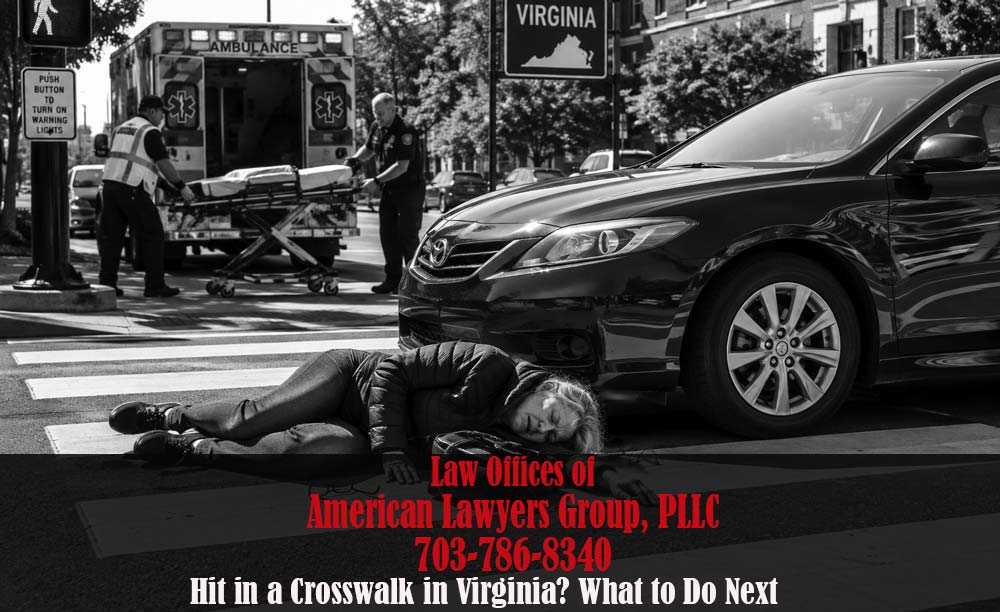
Hit in a Crosswalk in Virginia?
Being hit in a crosswalk in Virginia is a terrifying experience. Pedestrians have virtually no protection against a moving vehicle, and even a collision at relatively low speed can cause devastating injuries — broken bones, traumatic brain injuries, spinal damage, or worse.
Experienced Result Oriented Hit in a Crosswalk in Virginia? What to Do Next

Call Now – FREE Consultation
If you or a loved one has been struck by a car while walking in a Virginia crosswalk, knowing what to do next can protect both your health and your legal rights. Our Virginia pedestrian accident law firm has helped injured pedestrians throughout the Commonwealth hold negligent drivers accountable, and this guide explains the steps to take and the legal options available to you.
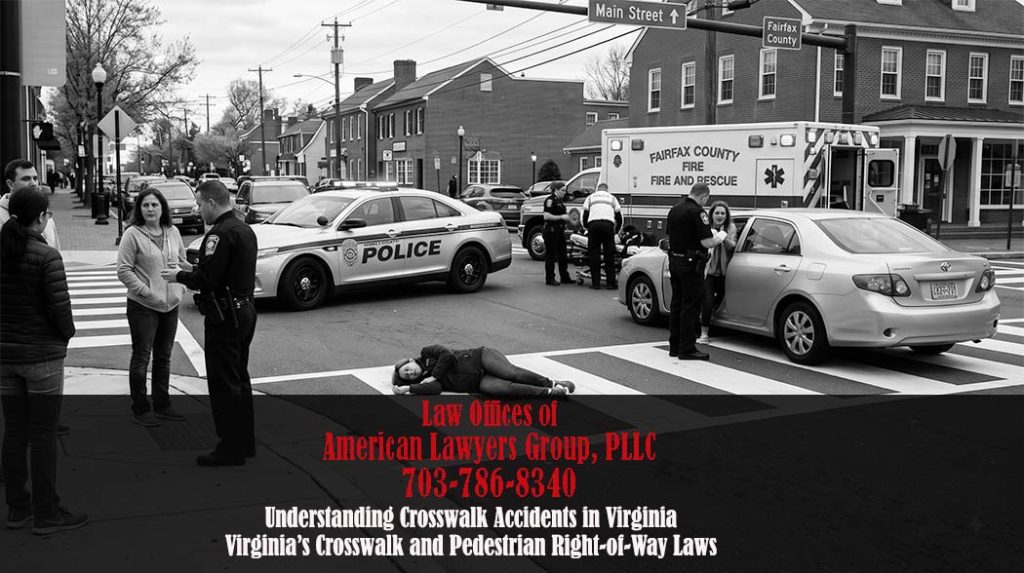
Understanding Crosswalk Accidents in Virginia
A crosswalk accident occurs when a pedestrian lawfully crossing the street is struck by a vehicle. According to national crash data, pedestrians are among the most vulnerable road users, and a pedestrian hit by a car in Virginia is far more likely to suffer catastrophic or fatal injuries than an occupant of a vehicle involved in a typical collision. Common causes of a Virginia crosswalk accident include:
Distracted driving, including cell phone use
Failure to yield the right-of-way
Speeding or driving too fast for conditions
Turning vehicles that fail to check for pedestrians
Driving under the influence of alcohol or drugs
Poor visibility, such as at night or during bad weather
Running a red light or stop sign
Regardless of the cause, a pedestrian accident in a Virginia crosswalk often leaves victims facing extensive medical treatment, lost income, and a long road to recovery.
Virginia’s Crosswalk and Pedestrian Right-of-Way Laws
Virginia law places clear obligations on drivers when it comes to pedestrians. Under Virginia Code § 46.2-924, a driver must stop when a pedestrian crossing the highway is within the driver’s lane or an adjacent lane and approaching that lane, including at any clearly marked crosswalk, at a regular pedestrian crossing at the end of a block, or at an intersection where the speed limit does not exceed 35 miles per hour. The statute also makes clear that pedestrians crossing at intersections have the right-of-way over vehicles making turns into the street being crossed.
A violation of § 46.2-924 is generally a traffic infraction, but when the violation results in serious bodily injury or death to a vulnerable road user — a category that includes pedestrians, as defined under Virginia Code § 46.2-816.1 — the offense becomes a Class 1 misdemeanor. This elevated charge reflects how seriously Virginia law treats a driver’s failure to yield to a pedestrian in a crosswalk.
Virginia law also recognizes limits on a driver’s duty. Under Virginia Code § 46.2-923, pedestrians may not carelessly or maliciously interfere with the orderly passage of vehicles, and Virginia Code § 46.2-926 prohibits a pedestrian from stepping into traffic at a point where they would be hidden from a driver’s view by a parked vehicle or other obstruction. Importantly, that same statute — updated effective April 1, 2021 — bars law enforcement from stopping a pedestrian solely for jaywalking, reflecting a shift in how Virginia balances pedestrian and driver responsibilities.
Who Is at Fault When a Pedestrian Is Hit in a Crosswalk?
In most Virginia crosswalk accidents, the driver bears primary responsibility, since drivers are required by Virginia Code § 46.2-924 to stop and yield to pedestrians lawfully crossing the street. However, fault isn’t always automatic. Insurance companies representing at-fault drivers frequently attempt to argue that the pedestrian:
Crossed outside a marked crosswalk
Stepped into traffic suddenly or from behind an obstruction
Was crossing against a traffic signal
Was distracted, such as by a phone, at the time of the crash
Because Virginia is one of the few states that still follows the doctrine of contributory negligence, these arguments can carry serious consequences for an injured pedestrian accident victim — which makes a thorough investigation into the facts of the crash essential.
Virginia’s Contributory Negligence Rule and Pedestrian Accidents
Under Virginia’s strict common-law contributory negligence rule, if an injured pedestrian is found even slightly at fault for a crosswalk accident, they may be completely barred from recovering any compensation — even if the driver was overwhelmingly more at fault. This is one of the harshest fault rules in the country, and it is exactly why drivers’ insurance companies aggressively investigate the pedestrian’s conduct after a crash. Working with an experienced Virginia pedestrian accident lawyer who understands how to counter these arguments is critical to protecting your right to recovery.
Steps to Take After Being Hit in a Crosswalk in Virginia
If you’ve been hit by a car in a Virginia crosswalk, the following steps can help protect both your health and your legal claim:
Call 911 immediately to request police and medical assistance, even if injuries seem minor at first.
Seek medical attention promptly. Some injuries, including internal injuries and concussions, may not be immediately apparent.
Stay at the scene until police arrive and obtain a copy of the police report.
Document the scene with photos of the crosswalk, traffic signals, vehicle position, and any visible injuries.
Get witness information from anyone who saw the crash, including other pedestrians or nearby businesses with security cameras.
Avoid discussing fault with the driver or their insurance company.
Keep records of all medical treatment, missed work, and related expenses.
Contact a Virginia crosswalk accident attorney before speaking with an insurance adjuster or accepting any settlement offer.
Why You Need a Virginia Pedestrian Accident Lawyer
Pedestrian accident claims are often more complex than standard car accident cases, particularly given Virginia’s unforgiving contributory negligence standard. An experienced Virginia crosswalk accident lawyer can:
Investigate the crash scene, traffic signals, and any available surveillance or dashcam footage
Obtain the police report and any citations issued under Virginia Code § 46.2-924
Identify and counter attempts to shift blame onto the pedestrian
Work with medical providers to document the full extent of your injuries
Calculate the true value of your claim, including future medical care and lost earning capacity
Negotiate with the driver’s insurance company
File a Virginia pedestrian injury lawsuit and take the case to trial if necessary
Compensation Available After a Crosswalk Accident in Virginia
Victims of a crosswalk accident in Virginia may be entitled to recover:
Medical expenses, current and future
Lost wages and diminished earning capacity
Pain and suffering
Permanent disability or disfigurement
Emotional distress
Punitive damages in cases involving especially reckless conduct, such as intoxicated driving
Under Virginia Code § 8.01-38.1, punitive damages in any Virginia civil case are capped at $350,000, regardless of the jury’s initial award or the number of defendants. This cap applies only to the punitive component of a claim — compensatory damages for medical bills, lost income, and pain and suffering are not subject to this limit.
Virginia’s Statute of Limitations for Crosswalk Accident Claims
Under Virginia Code § 8.01-243, most personal injury claims arising from a pedestrian accident must be filed within two years from the date of the crash. If a pedestrian tragically dies from their injuries, Virginia Code § 8.01-244 generally requires a wrongful death claim to be filed within two years of the date of death. Certain circumstances, such as the victim being a minor, may toll or extend these deadlines under Virginia Code § 8.01-229, but the exceptions are narrow. Waiting too long to pursue a Virginia crosswalk accident claim can permanently bar you from recovering compensation.
Frequently Asked Questions About Being Hit in a Crosswalk in Virginia
Is the driver always at fault if they hit a pedestrian in a crosswalk? Not automatically. While Virginia Code § 46.2-924 requires drivers to stop and yield to pedestrians in a crosswalk, fault still depends on the specific facts of the crash, and insurance companies may try to argue the pedestrian was partly responsible.
Experienced Result Oriented Accident Attorneys In Virginia
Call Now – FREE Consultation
What happens if I was partly at fault for the crosswalk accident? Because Virginia follows strict contributory negligence, being found even slightly at fault can bar you from recovering any compensation. This makes it critical to consult a Virginia pedestrian accident lawyer before speaking with any insurance company.
Can I still recover damages if I wasn’t in a marked crosswalk? It depends on the circumstances. Virginia law recognizes pedestrian rights at both marked and certain unmarked crossings, but crossing outside these areas can affect fault. An attorney can evaluate the specific facts of your pedestrian accident.
How long do I have to file a crosswalk accident lawsuit in Virginia? Under Virginia Code § 8.01-243, you generally have two years from the date of the crash to file a personal injury lawsuit.
What should I avoid doing after being hit in a crosswalk? Avoid admitting fault, downplaying your injuries, or giving a recorded statement to the driver’s insurance company before speaking with a Virginia crosswalk accident lawyer.
Why Choose Our Virginia Pedestrian Accident Law Firm
Our firm represents pedestrians injured in crosswalk accidents throughout Virginia, including Fairfax, Richmond, Norfolk, and the surrounding regions. We understand how insurance companies attempt to shift blame onto injured pedestrians under Virginia’s contributory negligence rule, and we build cases designed to withstand that scrutiny from day one. Our team works on a contingency-fee basis, meaning you pay nothing unless we win your case.

If you were hit by a car in a Virginia crosswalk, don’t wait to protect your rights. Evidence disappears quickly, and Virginia’s statute of limitations is strictly enforced. Contact our Virginia pedestrian accident attorneys today for a free, no-obligation consultation.